Lessons from The Pursuit of Happyness

When I was younger, living in my own small world, I believed - somewhat curiously - that my life was the hardest in the world. That belief began to shift when my mother introduced me to The Pursuit of Happyness, a film based on the real-life struggles of Chris Gardner and his son, Christopher.
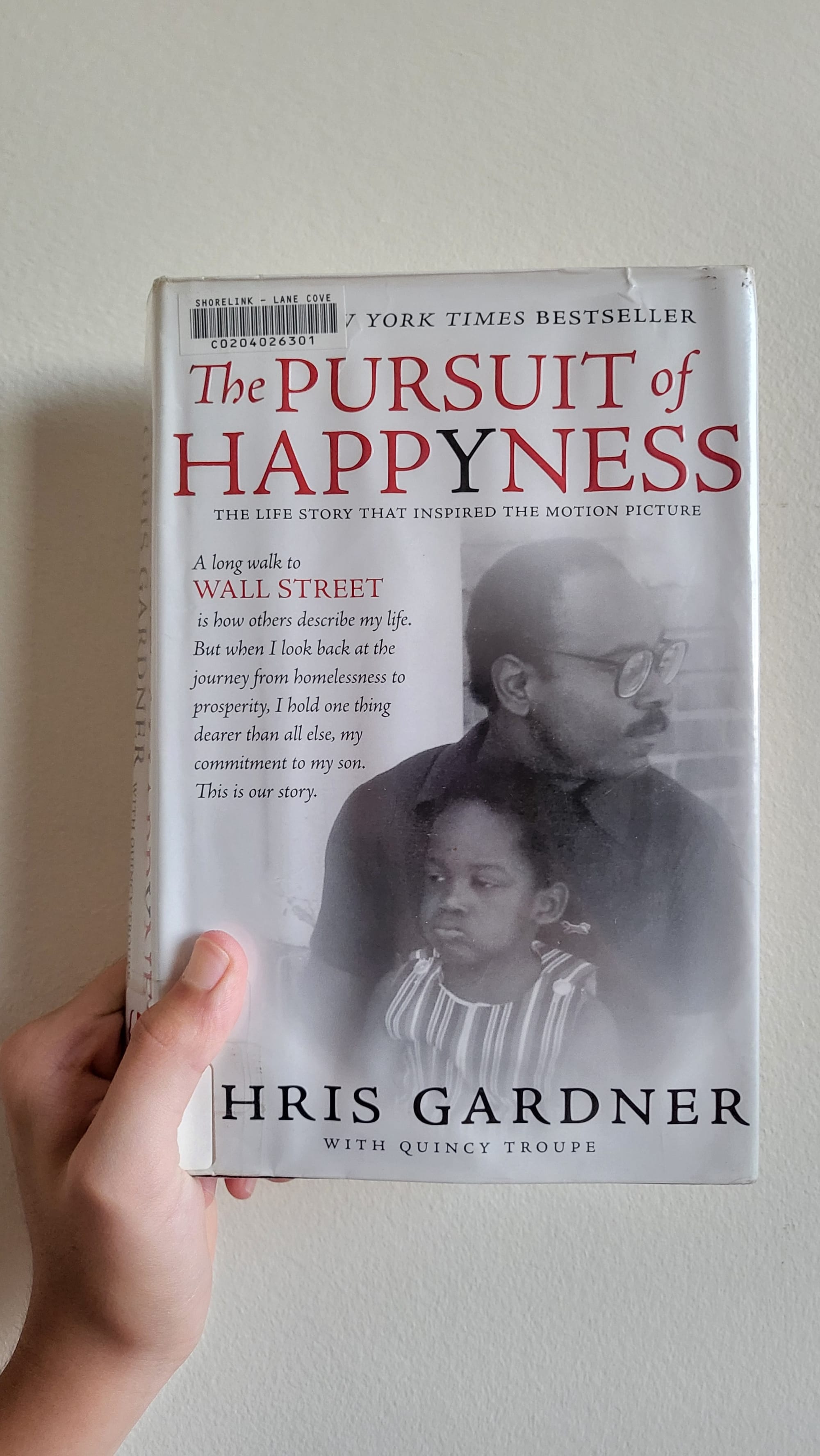
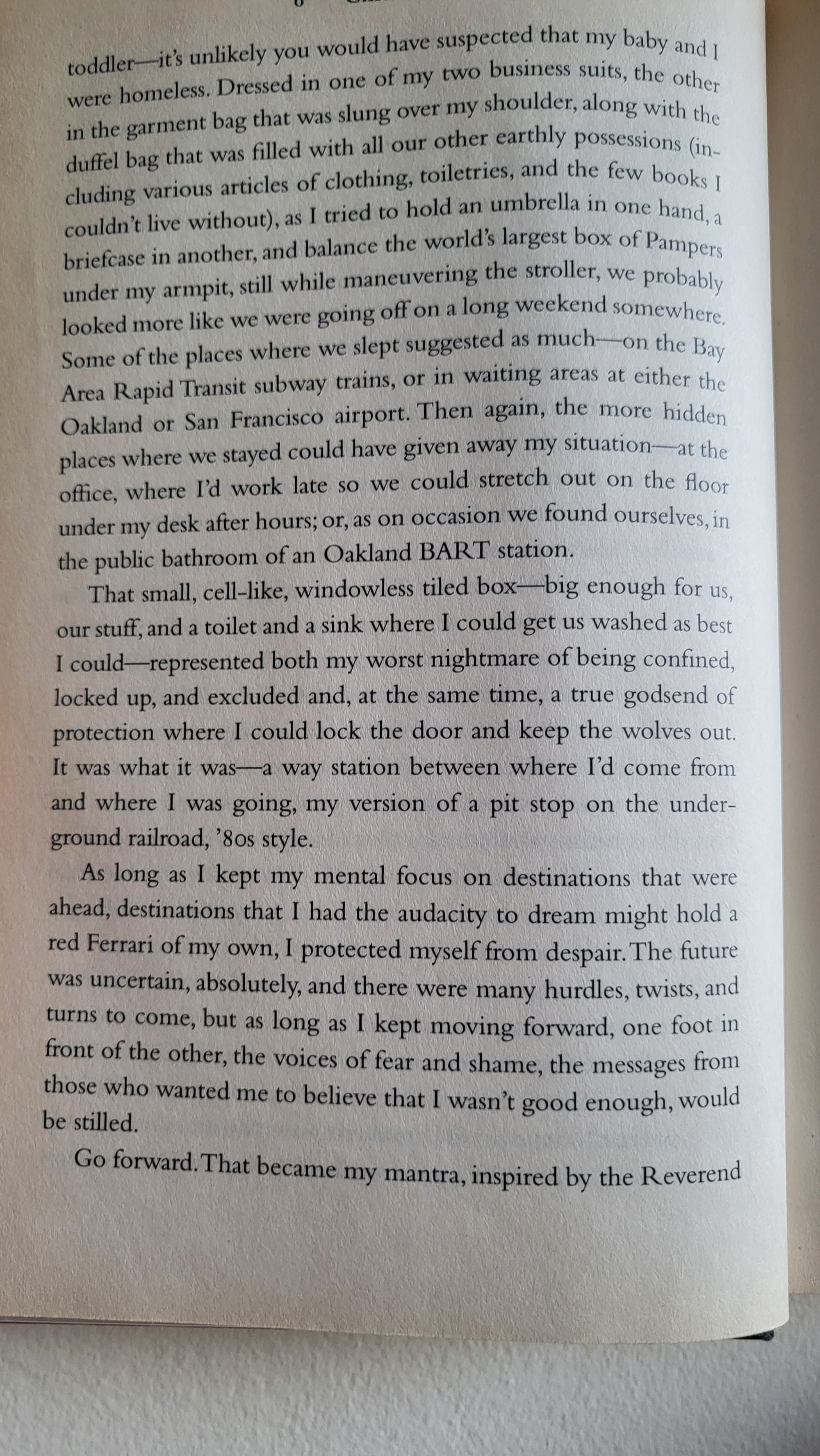
Chris Gardner, despite others telling him to give up, kept moving forward. I empathise with his struggles since I hear the same thing everyday. Everyone tells me that whatever I want to do is impossible.
The film is both poignant and engaging - funny at times, yet deeply sad. I found myself returning to it more than once, and going to the library to borrow the book. But more than its storytelling, it was the ideas behind the film that stayed with me.
One of the most striking of these is determination. Despite homelessness and his constant job instability, Gardner refuses to give up. The burdens he carries are made almost literal through the portable bone density scanner he drags from place to place, attempting to sell it against all odds.
Even in small moments, such as his encounter with the Rubik’s cube, this determined mindset is clear - he approaches problems with patience and persistence, determined to solve them.
As he puts it, “Whenever I see a problem, I sit and try and fix it.”
His determination is not just about survival, but about actively confronting hardship. This is an idea I can only wish I could relate to.
At the same time, the film challenges the idea of “the American Dream” - the belief that anyone can achieve success through hard work in the “land of opportunity”. This belief applies everywhere, while Gardner’s journey reveals how fragile this dream can be. His struggles with homelessness and financial instability show how difficult it is for those from disadvantaged backgrounds to even get a chance. Yet, the film does not reject the dream entirely. Instead, it suggests that while the path is unequal, perseverance can still open a way forward.
Closely correlated to this is the theme of paternal love. Throughout the film, Gardner and Christopher endure immense challenges together, yet their bond never weakens. From the child’s perspective, the instability must be overwhelming, yet he continues to follow his father with quiet trust.
Even after being evicted, Christopher does not argue, which I would’ve done. The son follows his father’s way, enduring the same hardships with the same quiet strength. He simply stays. This relationship becomes the emotional core of the story, showing how love can provide strength even in the most uncertain circumstances.
The Pursuit of Happyness finishes with hope. Despite the bleakness of his situation, Gardner never loses his belief in a better future. The film suggests that happiness is not something which is simply handed over to us, but something we have to chase. This applies not only to happiness, but everything. To achieve something, I sometimes, but not always, work hard. Through hardship, both Gardner and Christopher hold onto hope - not just for survival, but for something more.
The Pursuit of Happyness shows that determination is not loud, and hope is not naïve - they are choices we make again and again, even when the world gives us every reason to stop.
Happiness is not something we wait for, but something we choose to pursue.





Member discussion