Review: Honey Spot
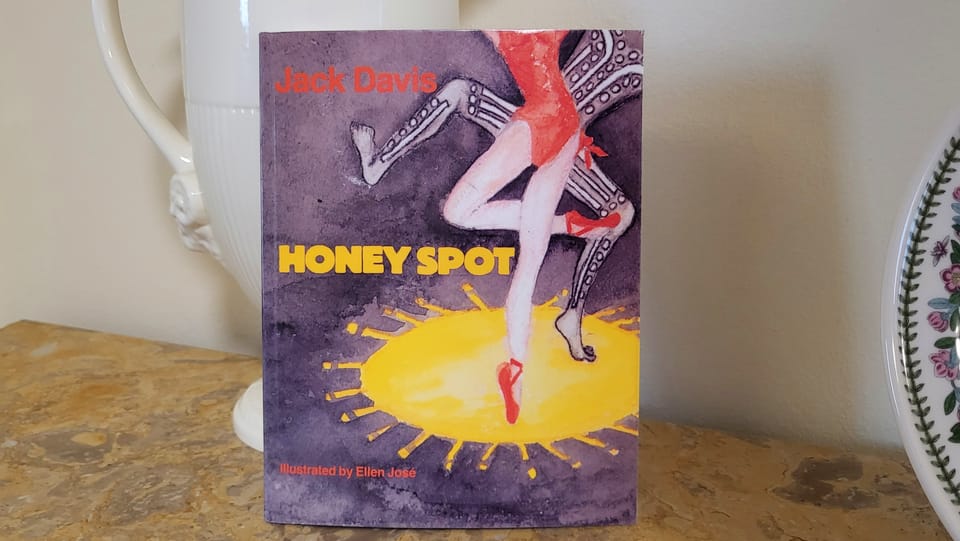
Last term in English class, we studied a play called Honey Spot by Jack Davis. The play’s theme was reconciliation. At first, I thought it would be just another text we analyse at school. But as I read deeper, Honey Spot began to mean something more. It wasn’t simply a story to follow - it was a story about how people come to understand one another.
Set in the Australian bush, Honey Spot doesn’t frame reconciliation as politics or policy. Instead, it shows reconciliation as something slow, human, and emotional - a quiet change of heart. At the centre of the story are two children: Tim, an Aboriginal boy, and Peggy, a white girl. When they first meet, their worlds seem completely different - one grounded in Aboriginal tradition, the other in Western modernity. At first, their friendship feels impossible. But kindness changes everything.
Through curiosity and honest conversation, they begin to understand each other’s worlds. Reading this, I was reminded of my own brothers. We argue often and sometimes misunderstand each other, but when we finally talk and listen sincerely, we always find common ground again. Jack Davis uses that same simple, human connection to remind us that reconciliation begins when we see each other not as stereotypes, but as individuals.
The story also reminded me of the Mabo Case, a historic moment when Australia redefined what belonging and recognition truly mean. Like that case, the friendship between Tim and Peggy symbolises that real reconciliation grows from understanding and respect.
Reconciliation also appears in the transformation of Peggy’s father, the Forest Ranger. At first, he distrusts the Aboriginal family, holding the prejudices left behind by colonial times. But when he is bitten by a snake and saved by that very family, something within him shifts. Through their compassion, he recognises their humanity and learns what equality truly means. Davis uses this moment to show that reconciliation requires humility - and the courage to change.
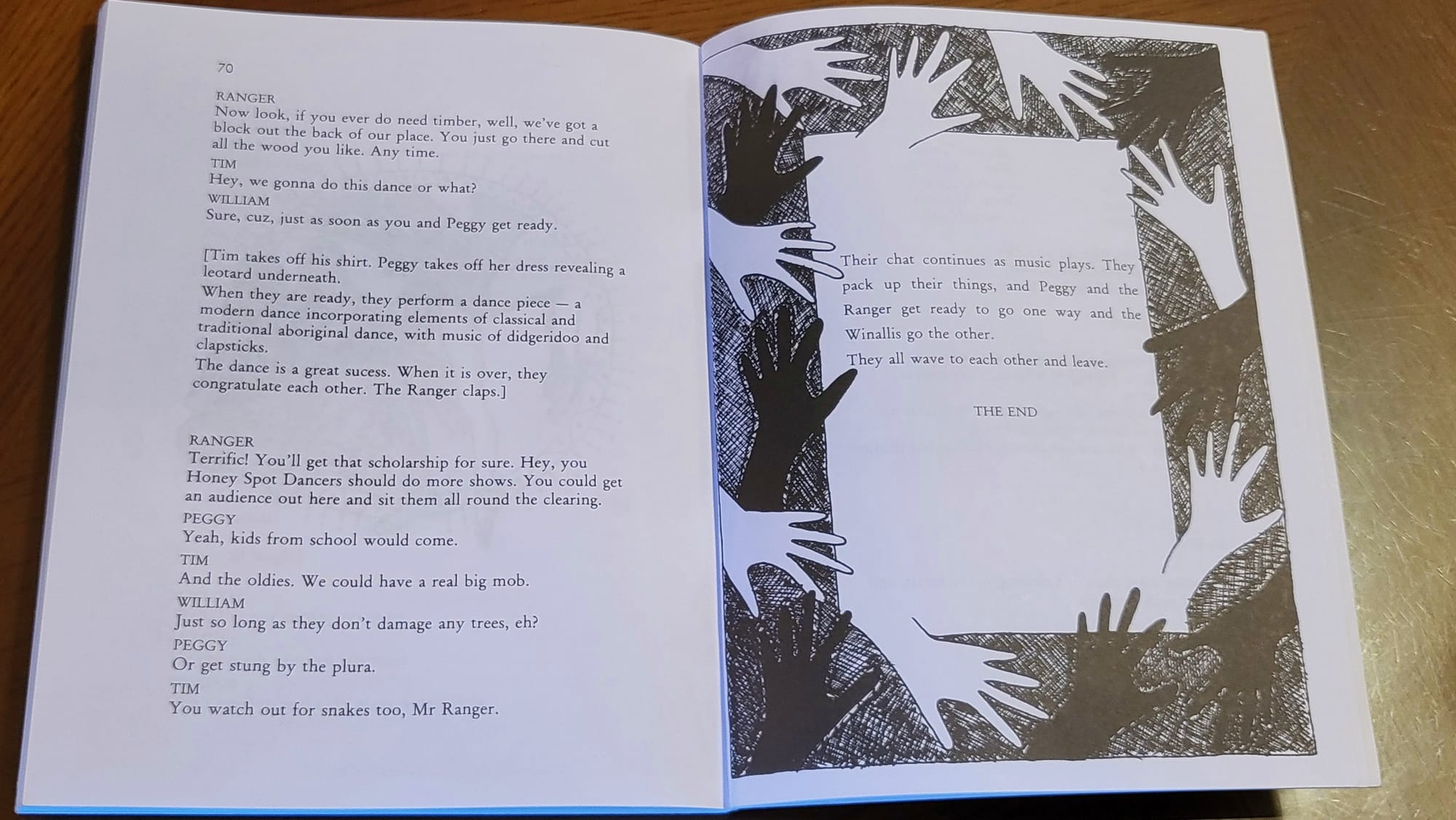
The play ends with a dance. Aboriginal and contemporary movements blend together, showing a moment of harmony rather than dominance. That image felt like reconciliation coming to life: when two different traditions share the same stage, unity becomes visible. The bush itself - and the “honey spot” within it -symbolises peace, connection, and belonging, representing reconciliation not only between people, but also between people and the land.
Honey Spot isn’t just a story about two children or one man’s change. It’s a reminder that reconciliation is everyone’s shared responsibility. It doesn’t begin with grand laws or policies but with small, everyday acts of listening and understanding.
For me, the lesson is simple yet lasting: reconciliation doesn’t begin with governments or policies. It begins when two people choose to understand one another.




Member discussion