Surely, You Think I’m Becoming an Actor?
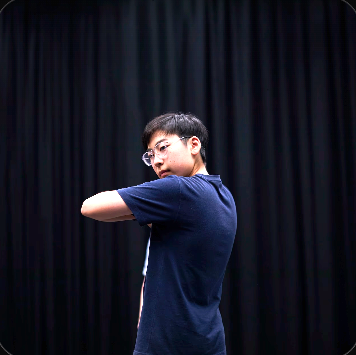
A couple of months ago, my mother asked if I wanted to attend some drama sessions. I shot back, “But why? I don’t want to be an actor!”
She replied, “You? You’re not going to be an actor!”
“Then why do I have to go to drama?”
“To study human interactions!”
At the time, her explanation sounded ridiculous to me. Ultimately, however, I joined up.
Out of school, everyone is complete strangers, and there is little to no chance of making new friends. When I first showed up to my first drama class, I wondered about my situation: what if I was all alone? What if no one wanted nothing to do with me? As I pondered the probability of my reflections, a tall boy came in and sat right next to me!
Right away we struck conversation. Instantly, all worries vanished from my mind. Other attendees displayed the same friendliness I had just experienced. I was particularly fascinated at the fact of how all students, male or female, mingled together without shame. At my school, boys and girls refuse to play with each other as they find it a source of embarrassment. I respected that.

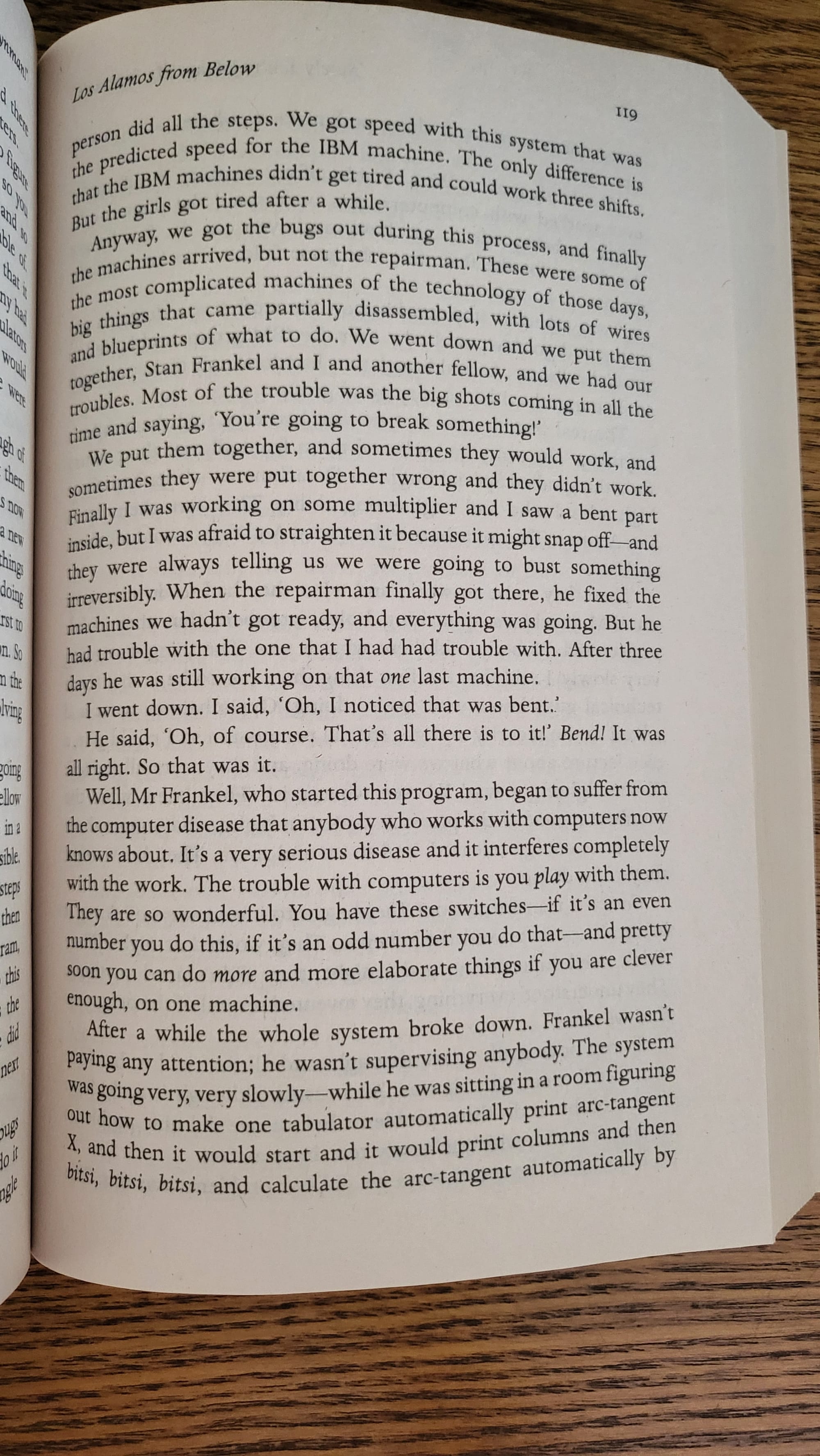
In his book, "Surely You're Joking Mr. Feynman!", Feynman describes of a computer disease I found relatable to today's situation.
Today’s digital era brought an assortment of small joys to our lives, albeit it has become increasingly difficult to meet new people. Recently, I was reading a book by Richard Feynman, in which he explains ‘the computer disease’. As we look at our screens, we are trapped under the computer disease. Engaging in meaningful learning experiences becomes much rarer.
I often feel hesitant when sharing my thoughts in front of others. Drama offered an ideal opportunity to address this challenge. It encouraged me to step beyond my comfort zone and communicate with greater confidence. This in turn helps cultivate meaningful relationships with individuals I might never have encountered otherwise. Through them, I formed new friendships and gained a deeper understanding of how genuine connections are built.
When people begin drama, many feel nervous about speaking loudly, performing in front of others, or expressing big emotions. I would be lying if I said I was perfectly fine with dancing in the middle of a room. Yet, through regular practice - such as warm-ups, improvisation games, and small group performances - they gradually learn to trust their voices and bodies.
Drama encourages risk-taking in a safe environment, delivering lines clearly or staying in character. Over time, students discover that they can communicate more boldly, think creatively under pressure, and work confidently with others. What starts as hesitation slowly transforms into genuine confidence that extends beyond the stage and into everyday life.
Prior to my drama lessons, I thought the very best of my English abilities: I assumed I could get into Harvard! Through improvisation, however, I ended up learning new phrases and words while playing games. As I listened to a girl say, “the eye is the window to the soul”, I would memorise the phrase, only to look it up at home.
Drama became more than a weekly activity: it reshaped the way I learn, communicate, and understand others. It taught me that confidence is not something we wait to earn but something we build through small risks, honest expression, and shared laughter. Most of all, it revealed that growth often begins in the very places we resist stepping into (Additionally, it’s funny I see myself whenever I visit the website now).
I’m not doing this to be an actor.
At school, my friends gathered together at the school gate, waving at me. “Hey Ein! Do you want to hang out after school today?”
I shook my head. “I have a drama lesson today!”
My friends’ eyes dilated. “I never knew you wanted to be an actor!”
I smiled. “NO WAY!”
Member discussion