The Last of Us
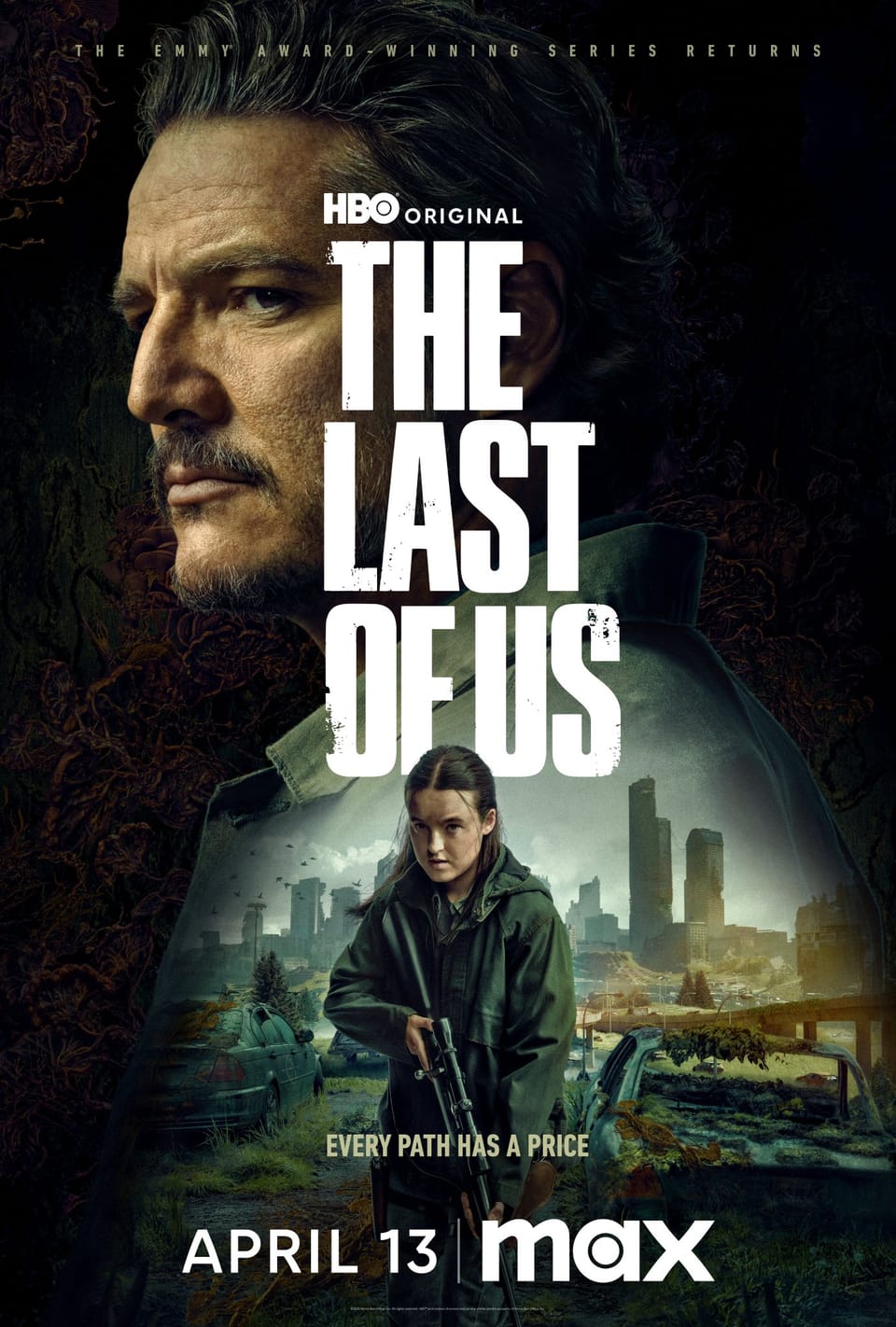
On a plane headed to Korea, I was eager to spend my remaining flight time ‘productively’. My brothers lay, heads lolling. Earlier, I had come across a HBO series, The Last of Us. I had never watched the show since my brothers were too young. This time, I clicked play, as I was pulled by the gravity of Season 1.
Under the glow of studio light, an interviewer from a 1968 talk show questioned a Dr. Neuman on epidemics. Neuman leaned forward.
“Mankind has been at war with viruses since our birth. However, they are not my greatest fear.” He paused. “Fungus.” Ignoring the rippling gasps from the audience, he continued. “There are fungi that invade insects and control their every move like a puppeteer. They devour their hosts from within, yet keep them alive, preserving their bodies as vessels for the parasite’s will.”
Another man interjected. “Yes, but that threat is not real in humans.” Neuman’s eyes narrowed. “True. Fungi cannot survive at a body temperature above ninety-four degrees. But what if the world somehow grew warmer? What if a fungus… mutated? Then it wouldn’t be millions, but billions of puppets, driven by a single thought: to spread. And there would be no possibility of any treatment.”
Their words were dismissed as speculation - humans were thought to be safe, too warm for such parasites to survive. That is, until global warming. In 2003, a mutated strain of cordyceps spread through the very staples of human diet. The infection felled governments and trapped survivors into quarantine zones.
Out of this ruin emerges the story of Joel, a hardened smuggler scarred by the loss of his daughter. Joel is tasked with smuggling Ellie, a teenage girl immune to the infection, across a brutal, lawless America. Ellie was to be taken to the Fireflies, an insurgent group opposing FEDRA’s authoritarian control. Along the way, they face militias, the infected, corrupt military forces, and searing personal cataclysms.

Their reluctant partnership slowly grows into a bond resembling family. Yet, Joel learns that Ellie must die for a chance at a vaccine. In the scenario, he makes the conflicting choice to save her, sacrificing perhaps humanity’s best shot at immunisation. This personal choice reflects a wider theme that runs through the story: the human search for significance even in a broken world.
What lingers through the episodes in The Last of Us is the quest for what is still worth living for. Joel embodies the weariness of someone who has lost too much to imagine a larger purpose. In contrast, Ellie, born into the broken world, clings to the possibility that meaning can still exist.
Their journey together transforms survival into something else: not just enduring, but enduring for someone else. While accompanying Ellie through dangers and saving her from deadly situations, Joel and Ellie’s relationship transforms from a simple smuggling run into a father-and-daughter bond.
What fascinated me in The Last of Us was the absence of a total ‘infected’ domination. The cordyceps creatures, though terrifying, are less monsters than mirrors: a constant reminder of collapse and danger. The greatest threats come instead from other survivors. This includes raiders, militias, and well-meaning groups such as the Fireflies. These encounters reveal that humanity’s deepest struggle is not against the fungus itself, but against avarice in scarcity. In this way, the series suggests that the infection exposes what people are willing to do to seize - and what they are willing to sacrifice.
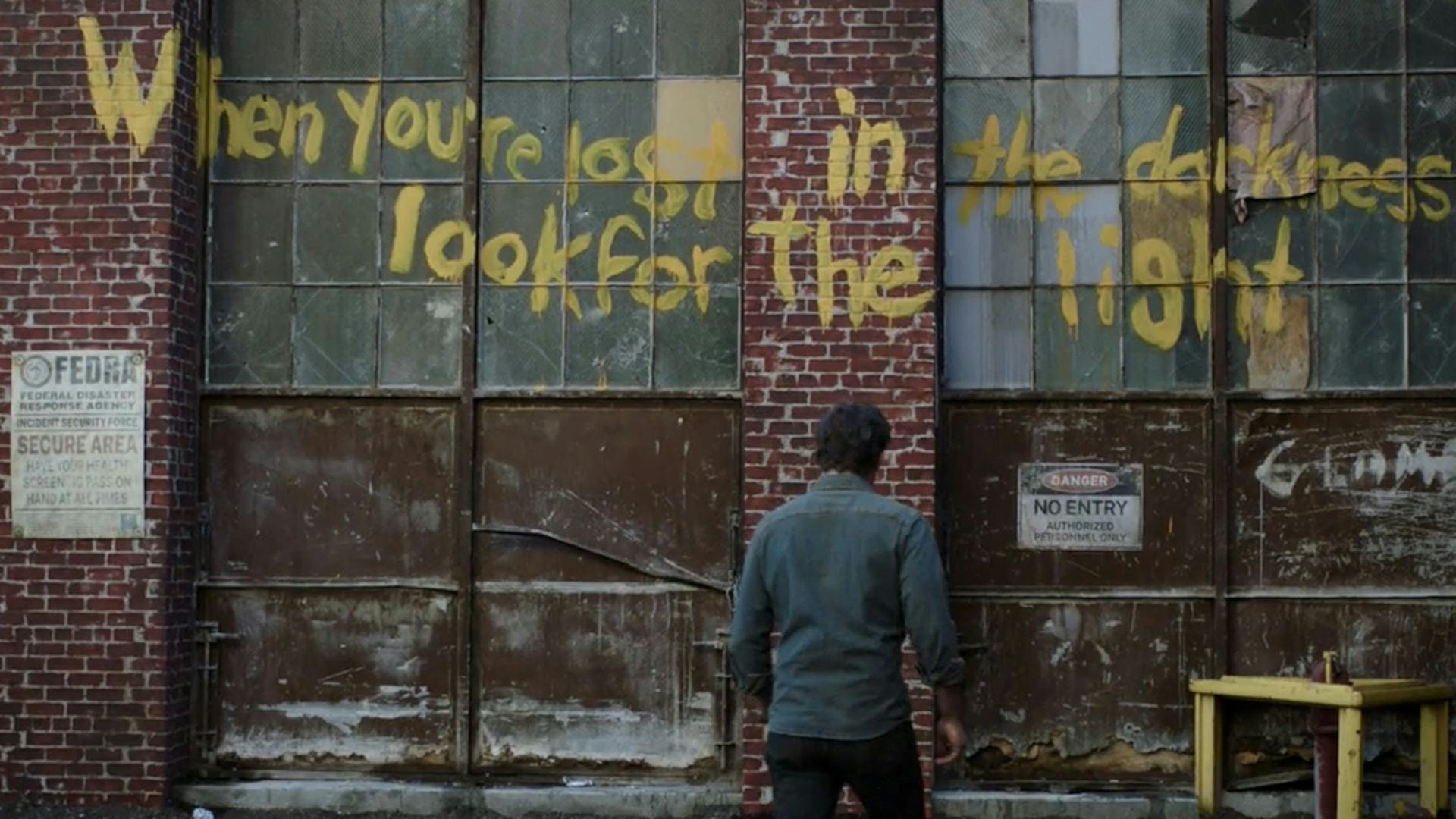
As curtains shed on Season 1 of The Last of Us, I was questioned by the series. Even when hope seems extinguished, Joel and Ellie’s journey shows how in a shattered world, meaning can still be found. In collapse, what defines us is not survival alone, but also the fragile light we choose to carry.


Member discussion