Can You See Red?
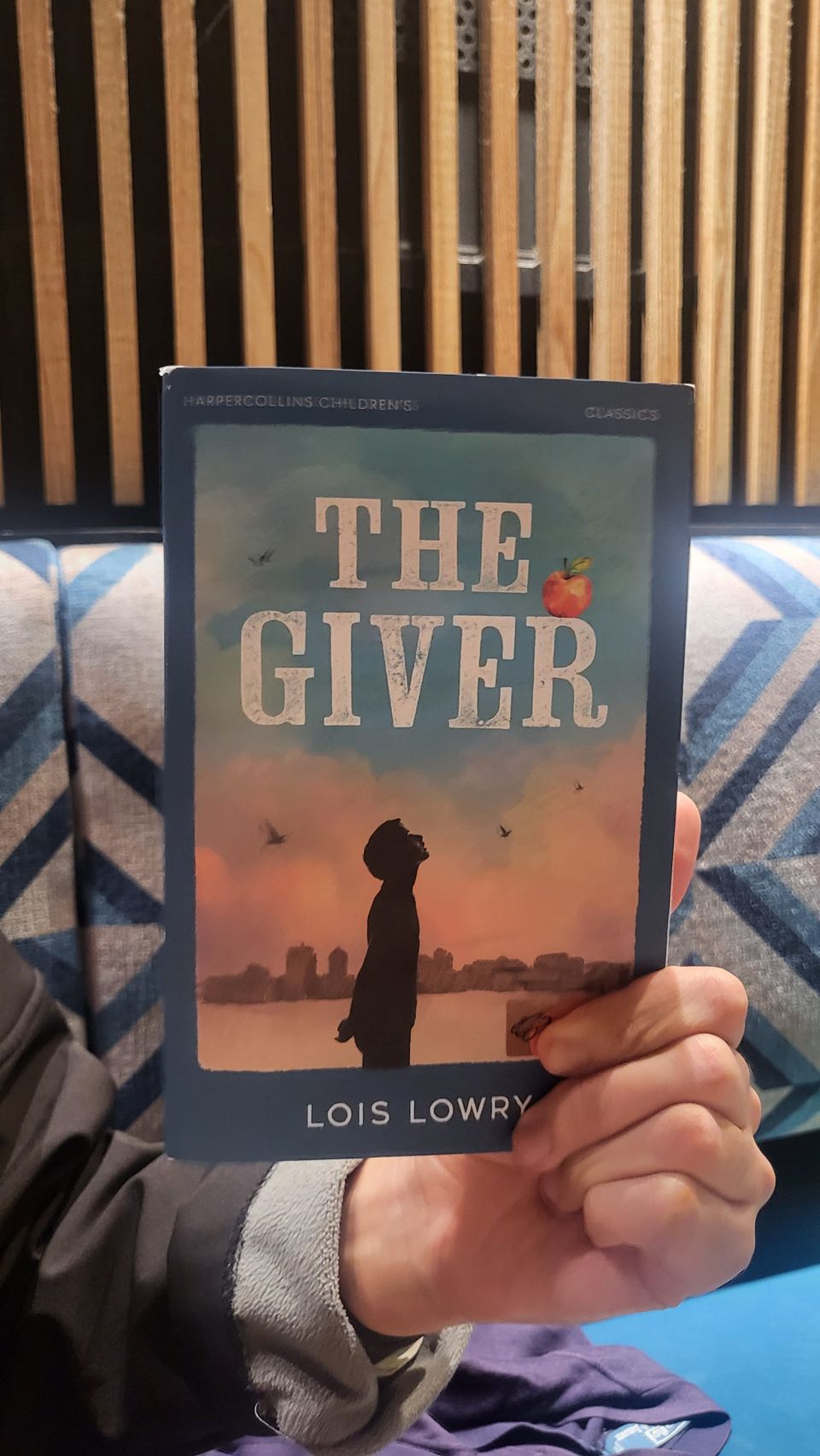
For one instant, just one, an apple turns red. If I were to say, “This apple is red,” Jonas’ Community would ask, “What’s red?” Colour has not disappeared — it has been erased from awareness. People are capable of seeing it, yet they refuse to recognise it.
As I thought about this, I couldn’t help but feel there was something out of place. Perception is not simply about what is there, but about what we have been taught to see. But what happens when someone, like Jonas, begins to see beyond what they've been taught to see?
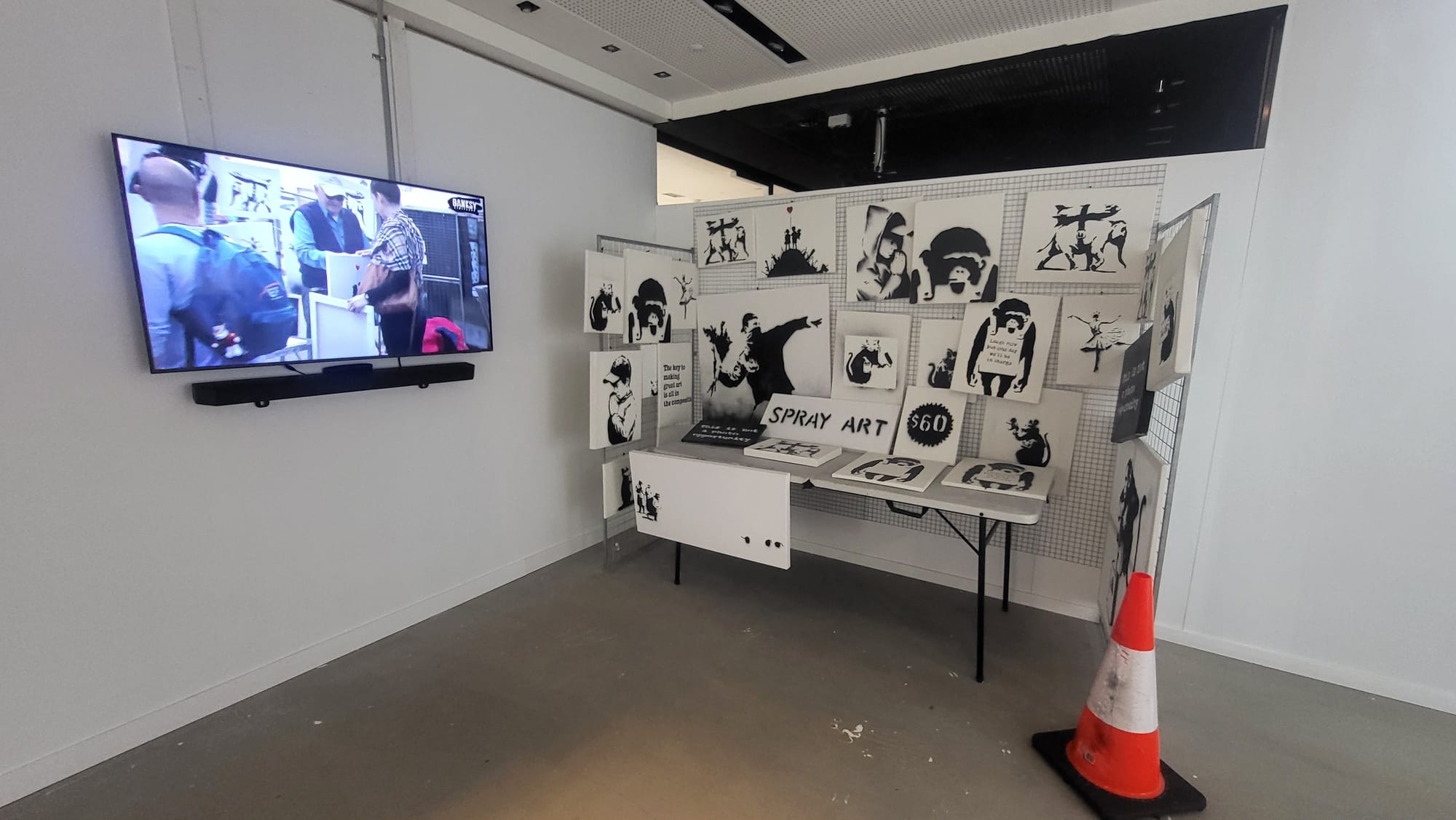
This reminded me of Banksy’s street art sale. Authentic Banksy pieces were sold for $60 on a New York street, yet most passersby walked past without a second glance. If there was a passer-by who, as they walked past, exclaimed, “Hey! That’s a real Banksy,” the stall would’ve sold out in less than 10 minutes. But by placing them in a random, ordinary setting, Banksy removed the very systems people rely on to recognise worth — and without those systems, they simply could not see it.
In The Giver, there is another scene that captured me. Jonas looks out from the Giver's window at a tree surrounded by fog and mystical stillness: a place Jonas’ Community calls ‘Elsewhere’.
This scene reminded me of the Book of Genesis. Side-by-side, the worlds of the two stories are astonishingly alike. Eden is a perfect space without suffering, scarcity, or fear of death. The Community in The Giver is much the same. There is no war, no poverty, and the elderly are peacefully ‘released’. On the surface, both appear to be utopias.
Yet both paradises demand the same price: do not question the rules, and do not seek to know. In Eden, God forbids the fruit of the Tree of Knowledge. In the Community, colour, emotion, and memory are forbidden. The condition for maintaining perfection is always ignorance.
The humans inevitably eat it. They lose their innocence and suddenly become aware of pain, shame, and the complexity of the real world. In The Giver, when Jonas becomes the Receiver of Memory, he gains access to forbidden emotions, memories, and truths that the rest of society has chosen to suppress.
Jonas lives out both lives at once. Before receiving the forbidden truths, Jonas was like Adam, the loyal follower of the system, obeying the rules. During the Ceremony of Twelve, he accepts his assigned role without question. Eve is curious. She gazes at the forbidden thing and reaches toward it. But the moment he begins receiving memories from the Giver, Jonas becomes Eve.
Both texts suggest that ignorance is not true freedom. Instead, they imply that pain, choice, and emotional depth are all essential parts of being fully human. Yet, I found myself reluctantly returning to the Community’s side of the argument.
The Grand Elder explains at one point that when people are given a choice, they almost always choose wrong. No matter how hard I think about it, this feels true. When I see impossible amounts of food tossed away while others go hungry, or wars waged in the name of 'preserving peace' — I cannot help but feel that given the freedom to choose, people do almost always choose wrong. Perhaps this is exactly the logic that built the communities — to erase the very differences that define and separate us: religion, race, memory, and choice.
Yet the more I sat with that idea, the more uneasy it became. If people ‘almost always choose wrong,’ then removing choice might seem merciful; but only if you believe that mistakes are failures rather than lessons. Jonas’ community eliminates pain by eliminating possibility. No one chooses wrong, but no one chooses at all. And the longer I thought about it, the more I realised that a world without wrong choices is also a world without right ones. Without risk, there is no courage. Without difference, there is no identity. Without memory, there is no meaning.
Safety is not the same as living. Jonas’ society has perfected predictability, but in doing so, it has hollowed out everything that makes life worth remembering. The passersby were not blind. They had simply stopped choosing to look. To stop choosing is to stop seeing. And to stop seeing is to stop being human. Maybe that’s why the story lingers: because it forces us to confront a question we rarely ask. Not “What if we choose wrong?” but “What do we lose when we cease choosing at all?”
Member discussion